

MyDIGITAL Blueprint: Malaysia’s Roadmap to Digital Excellence
Understand the comprehensive strategy driving Malaysia’s digital transformation and how it’s reshaping the entire economy.
Read MoreDiscover how digital commerce is reshaping Malaysia’s retail landscape and transforming how consumers shop across the region.
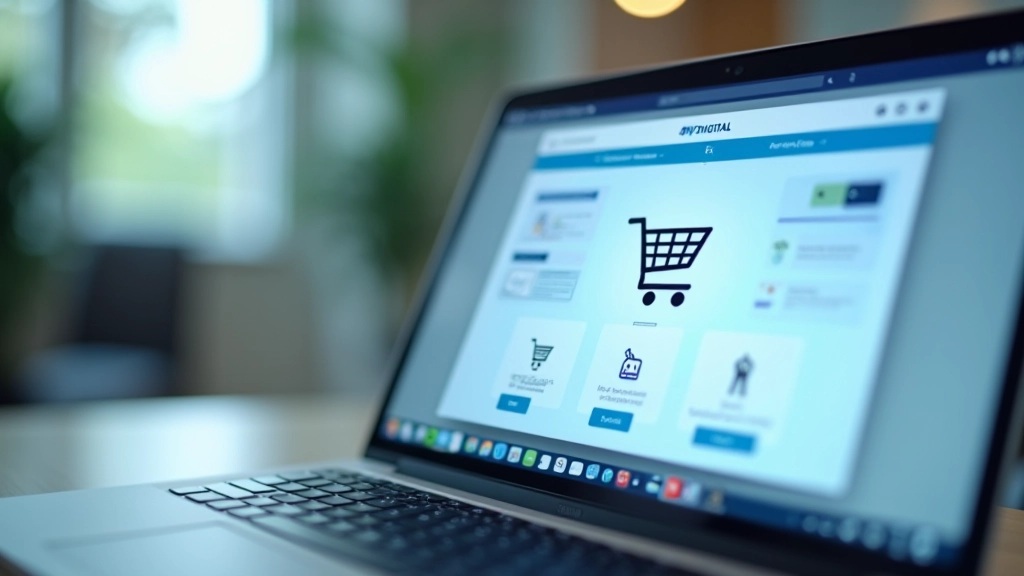
Malaysia’s e-commerce sector isn’t just growing — it’s fundamentally changing how people shop. Over the past three years, online retail transactions have accelerated dramatically, with consumers spending billions on digital platforms. The shift isn’t just about convenience; it’s reshaping entire supply chains, creating new jobs, and pushing traditional retailers to adapt or disappear.
What’s driving this transformation? Better internet connectivity, increased mobile adoption, and platforms that’ve made online shopping genuinely easy. Plus, the pandemic accelerated a trend that was already happening. Now we’re seeing a retail ecosystem that’s permanently changed — and it’s only getting bigger.


Malaysia’s e-commerce market reached approximately RM 27 billion in 2024, with projections suggesting continued double-digit growth through 2026. That’s not just a statistic — it represents millions of individual transactions from consumers who’ve switched from shopping at physical stores to ordering from their phones.
Mobile commerce drives about 70% of these transactions. Shoppers aren’t using computers to browse anymore; they’re completing purchases entirely on mobile devices. That shift changed everything about how platforms are designed, how products are photographed, and how payment systems work.
Key insight: Cross-border e-commerce is expanding too. Malaysian shoppers are buying from regional sellers, and international buyers are purchasing Malaysian products online — creating a truly connected regional marketplace.
Several dominant platforms have emerged as the primary destinations for online shopping in Malaysia, each adapting their strategies to local preferences and consumer behavior.
Multi-seller platforms have become the go-to destination for most online shoppers. They’re not just stores — they’re entire ecosystems connecting sellers directly to consumers. The convenience of browsing thousands of products in one place, with unified payment and delivery systems, makes them incredibly sticky for users.
Same-day and next-day delivery options have become table stakes. Companies invested heavily in warehousing, fleet management, and technology to fulfill orders faster. What started as a competitive advantage is now the minimum expectation. Shoppers don’t just want products — they want them quickly.
Platforms optimized for mobile devices dominate market share. Smooth app experiences, one-click checkout, and push notifications for deals drive higher conversion rates. The companies winning aren’t just selling products — they’re creating seamless mobile experiences that feel natural to use.
Multiple payment options — credit cards, digital wallets, buy-now-pay-later services, bank transfers — make checkout accessible to more people. Fintech integration means shoppers can choose payment methods that fit their situation, increasing overall transaction volumes significantly.
Traditional retail stores aren’t disappearing — they’re evolving. Brick-and-mortar locations are becoming showrooms and fulfillment centers rather than the primary sales channel. Retailers who’ve embraced omnichannel strategies (combining online and offline) are thriving. Those who haven’t are struggling to compete.
Small businesses now have access to national markets without needing physical store locations. A vendor in Penang can sell to customers in Sabah instantly. This democratization of retail has created hundreds of thousands of new sellers, especially among young entrepreneurs and stay-at-home parents looking for flexible income.
The job market has shifted too. Warehouse workers, delivery drivers, customer service specialists, and tech professionals are in high demand. E-commerce created employment opportunities while disrupting traditional retail jobs — a transition that’s still ongoing across the country.


Malaysian online shoppers have become sophisticated. They’re not just buying because it’s convenient — they’re comparing prices across platforms, reading reviews carefully, and expecting personalized recommendations. The days of generic online stores are over.
Consumers also demand transparency. They want to know exactly when their order ships, where it is during delivery, and who’s handling their package. Live tracking, order updates, and responsive customer service aren’t nice-to-haves anymore — they’re requirements.
Growth comes with real challenges that the industry is still working to solve.
Getting packages to customers in remote areas remains expensive and logistically complex. Rural delivery networks aren’t as developed as urban ones, creating geographic disparities in service quality and availability.
Fake goods remain a persistent problem. Platforms work constantly to authenticate sellers and verify products, but bad actors find new ways to circumvent checks. Trust and consumer protection are ongoing battles.
Handling millions of transactions means managing sensitive financial and personal data. Cybersecurity threats are real, and regulations around data protection keep evolving. Companies must invest continuously in security infrastructure.
While platforms enable small sellers to reach huge markets, profitability remains difficult. High fees, logistics costs, and fierce competition squeeze margins. Many new sellers struggle to make sustainable businesses.
The trajectory is clear: e-commerce will keep expanding, and the gap between digital and traditional retail will widen further. We’re likely to see continued investment in infrastructure — warehouses, delivery networks, and technology platforms. Regional cooperation through ASEAN trade agreements will make cross-border e-commerce even more accessible.
Emerging technologies like AI-powered recommendation systems, augmented reality for product visualization, and voice commerce will reshape how people shop. Social commerce (shopping directly through social media) is already gaining traction and will become increasingly important. The line between entertainment and shopping will blur further.
For Malaysia specifically, the MyDIGITAL blueprint continues pushing digital transformation across the economy. E-commerce isn’t isolated — it’s part of a broader ecosystem that includes fintech, digital payments, and tech entrepreneurship. As these systems mature together, they’ll create a more robust and competitive digital economy.

E-commerce is just one piece of Malaysia’s digital transformation. Explore how fintech, digital payments, and technology innovation are reshaping the entire economy.
Explore Digital Economy


This article is provided for informational and educational purposes only. The information presented represents trends and data available as of March 2026 and is based on publicly available sources. While we’ve made efforts to ensure accuracy, market conditions, regulations, and e-commerce statistics change frequently. This content is not intended as financial advice, business recommendations, or predictions about future market performance. Individuals or businesses considering e-commerce ventures should conduct their own research, consult with industry experts, and consider their specific circumstances before making decisions. Market dynamics vary by region and sector, and past performance doesn’t guarantee future results. Always verify current data and regulatory requirements with official sources.